
History, in many respects, has unfolded on the battlefield. Nations and races have risen and fallen to ruin in the midst of struggles – battles waged in the name of justice and peace, but which instead gave birth to the notion of military might and conquest.
In Japan, the Samurai or warrior class were the curators of the art of battle, known as bujyutsu. The Samurai’s influence rose with the Minamoto family’s establishment of military rule over Japan in 1205 and continued until the Meiji restoration of 1868.
The restoration ended 200 years of self-imposed isolation from the outside world; Japan had realised the urgent need to modernise. With the change, came the destruction of the long heritage of the samurai with the establishment of Haito-rei, the law prohibiting warriors from carrying swords. Still, some schools of bujyutsu survived, preserving the traditional values of the warrior class.
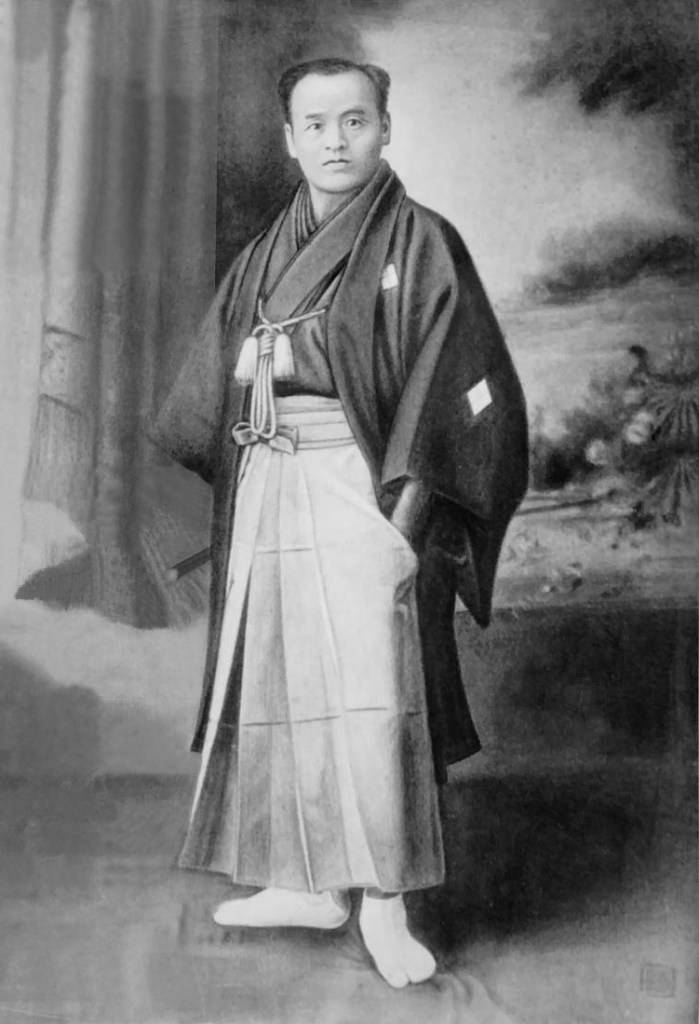
Morihei Ueshiba, born five years after the Meiji restoration, studied in several of the surviving bujyutsu schools, including swordsmanship in the Shinkage School and jujitsu in the Kito and Daito schools.
He joined the Imperial Japanese Army and fought in the Russo-Japanese War of 1905-1906. This early taste of war, coupled with other experiences during the two World Wars, forged Morihei Ueshiba’s opposition to the use of martial arts for destructive purposes.
Beginning in his early thirties, with the opening of his first dojo, he searched ceaselessly for the true meaning of budo as a path for the spiritual development of man. In 1942, twenty-two years after the opening of the first Ueshiba dojo in Ayabe, Japan, “aikido” was officially recognised as the name of Morihei Ueshiba’s art.
For the next forty-six years until his death at the age of 86, O-Sensei, as he came to be known, taught and trained students vigorously in the art, and in the process earned a reputation of unshakeable fame in Japan and around the world.
 Aikido For Glasgow